
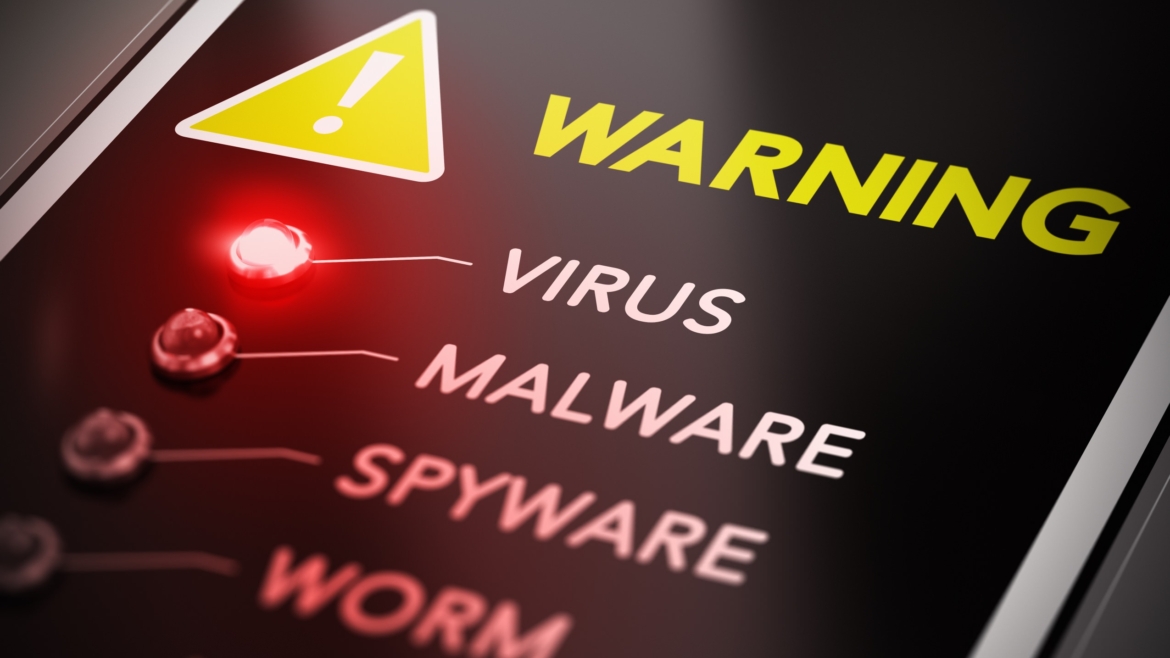
In today’s interconnected world, where every aspect of our lives is increasingly intertwined with technology, cybersecurity has become more critical than ever before. The digital age has brought us unparalleled convenience and innovation, but it has also opened the door to a host of cybersecurity threats that can have devastating consequences. In this article, we’ll delve into why cybersecurity matters and explore some fundamental steps you can take to safeguard your digital presence.
The Digital Threat Landscape
Cybersecurity threats come in various forms, from malicious software and phishing attacks to data breaches and identity theft. These threats are not limited to large corporations or government organizations; individuals and small businesses are equally vulnerable. The consequences of a cyberattack can range from financial loss and reputation damage to personal privacy invasion and legal complications.
Why Cybersecurity Matters
- Protecting Personal Data: Your digital life is a treasure trove of personal information. Cybersecurity measures help shield your sensitive data, such as financial records, medical information, and personal correspondence, from falling into the wrong hands.
- Financial Security: Cyberattacks can result in significant financial losses. Hackers may steal money from your accounts or engage in fraudulent activities using your identity, leading to financial ruin if left unchecked.
- Business Continuity: For businesses, cybersecurity is not just an option; it’s a necessity. A successful cyberattack can disrupt operations, damage customer trust, and lead to substantial financial losses.
- National Security: On a larger scale, strong cybersecurity measures are crucial for a nation’s security. Attacks on critical infrastructure, government systems, or military operations can have dire consequences.
Basic Cybersecurity Measures
- Use Strong Passwords: Create complex, unique passwords for each online account. Consider using a reputable password manager to keep track of them.
- Keep Software Updated: Regularly update your operating system, software applications, and antivirus programs to patch known vulnerabilities.
- Beware of Phishing: Be cautious of unsolicited emails and messages. Don’t click on suspicious links or download attachments from unknown sources.
- Install a Firewall: A firewall acts as a barrier between your network and potential threats from the internet. Enable it for added protection.
- Use Multi-Factor Authentication (MFA): Enable MFA wherever possible. It adds an extra layer of security by requiring two or more forms of verification to access an account.
- Regular Backups: Create backups of your important data to recover it in case of a cyberattack.
- Stay Informed: Keep yourself informed about the latest cybersecurity threats and best practices.
Conclusion
Cybersecurity is not a luxury; it’s a necessity in our digital age. Whether you’re an individual, a business owner, or a government entity, safeguarding your digital assets and information is paramount. By adopting basic cybersecurity practices, you can reduce the risk of falling victim to cyberattacks and contribute to a safer digital world for everyone.
In the ever-evolving landscape of cyber threats, vigilance and preparedness are your best allies. Stay safe, stay secure, and protect your digital fort from potential intruders.